
Table of Contents
High & Main Productions Bylaws 1
1.6 Annual General Meeting (AGM) 4
1.7 Equity and Inclusion Commitment 5
1.11 Conflict of Interest Policy 5
1.12 Conflict Resolution Policy 6
1.13 Amendments to the Bylaws 7
The name of the organization is High and Main Productions.
High and Main Productions is a community theatre company dedicated to fostering artistic excellence, cultural enrichment, and community engagement in Vankleek Hill and surrounding areas. The company is committed to inclusive, diverse, and equitable participation, with a focus on accessibility and representation.
Active Members: Individuals who contribute artistically, technically, administratively, or financially.
Youth Members: Youth under 18 may consent to participate in accordance with laws governing legal age of consent, other applicable legislation in effect, and in compliance with other contractual obligations.
Honorary Members: Nominated and approved by the Board for long-standing contributions.
Supporting Members: Individuals who wish to support the organization financially or socially without active participation in productions or administration.
Members have the right to vote at Annual General Meetings (AGMs), stand for board positions (if over 18), participate in productions, and receive official communications.
Members are expected to respect the organization’s code of conduct and commitment to equity.
Members are encouraged to contribute time and talent to productions, committees, or organizational duties.
Annual fees shall be set by the Board and approved at the AGM.
No person will be denied membership due to inability to pay; a waiver process shall exist.
The Board of Directors sets policy with feedback from the membership. Decisions are ratified during official board proceedings and documented in minutes held by the Board Administrator or Co-Chairs.
The Board shall consist of:
The Co-Chairs share leadership responsibilities and may divide duties by consensus.
Either Co-Chair may preside over meetings; both are ex officio members of all committees.
All Board members shall be elected annually at the AGM for a one-year term.
Quorum: 50% of Board members.
Decisions are made by majority vote.
A board member missing 3 consecutive meetings without reasonable excuse may be asked to resign.
A liaison role may be named and appointed by the Board to ensure diverse and relevant perspectives are included as needed (e.g. youth liaison, disability liaison, special expertise, etc.).
All Board members must be active members in good standing with the organization.
Board members shall serve a one (1) year term.
No Board member may serve more than three (3) consecutive one-year terms in the same role.
After serving three consecutive terms, a Board member must take a minimum one (1) year break before being eligible for re-election, unless no other nominations are received.
A mentorship model is encouraged; for key roles (e.g., Treasurer, Secretary), outgoing members may mentor incoming members for continuity and training.
Board members may participate in productions (e.g., as actors, crew, etc.); however, any Board member seeking a creative role (e.g., Director, Playwright, or Producer) must recuse themselves from any discussions or votes related to that selection process.
If a Board member has a personal or familial relationship to a person being considered for a creative role or play selection, they must also recuse themselves from all related deliberations and decisions.
The Board shall ensure all play selection and production staffing processes are transparent and inclusive, with selection committees including non-Board members where possible.
To ensure there are no conflicts of interest, arm’s distance principles must be maintained, no two board members serving in the same term should come from the same household.
Any board member applying to direct should recuse themselves from the decision process, likewise if an immediate family member is applying to direct they should do the same.
Add details about voluntary resignation, cause-based removal and how vacancies are filled
Covers expected behaviour, adherence to Code of Conduct, and confidentiality of deliberations.
The Board will form and dissolve committees and appoint the committee chair to delegate the work, seek support and engage membership as they see fit.
Examples of committees may include but are not limited to:
The Board will serve as a selection committee or delegate such work as they may deem appropriate.
Volunteers are essential to the functioning of High and Main Productions.
The organization shall foster meaningful volunteer opportunities in all areas of its operations, including front of house, backstage, administration, and outreach.
A volunteer tracking and recognition program will be maintained to ensure gratitude and continuity.
Held within 90 days after the fiscal year-end.
Members shall be notified at least 14 days in advance.
Business includes reports, financial statements, elections, and ratifications.
As part of our commitments to equity, diversity, inclusion, accessibility and representation, High and Main Productions commits to implement an equity and inclusion policy that shall be set by the Board of Directors.
At all times a board member will hold a portfolio to ensure commitment principles of social justice and anti-oppressive practices and we will revisit our practices regularly under the direction of the Board.
January 1 to December 31.
The Treasurer shall maintain accurate records, deposit funds in a designated institution, and present financial reports at Board meetings and the AGM.
The Treasurer must be bondable.
All expenses are subject to the approval of the Board and must be approved prior to spending.
Production budgets must be submitted and approved before production begins.
High and Main Productions operates on a not-for-profit basis. Any surplus funds shall be used to further the organization’s objectives and may not be distributed to members.
The membership may dissolve the organization at a General Meeting.
Upon dissolution of the organization, all assets will be liquidated, repurposed or otherwise disposed of in accordance with the law.
This policy is designed to preserve the integrity and credibility of High & Main Productions by ensuring that personal interests do not improperly influence organizational decisions. It applies to all Board members, committee members, and anyone in a decision-making capacity.
Conflict of interest happens when one’s personal, financial, or professional interests could interfere with their duty to act in the organization’s best interest. Examples include:
Any individual who becomes aware of a potential conflict of interest must:
The Board is responsible for:
High & Main Productions promotes a culture of openness and integrity. Disclosing a potential conflict is a demonstration of ethical conduct not wrongdoing. Our aim is to identify and address issues before they cause harm.
If a conflict is discovered after the fact and was not disclosed, corrective action will be taken by the Board. This may include reversing decisions, reassigning duties, or other measures to protect the integrity of the organization.
This policy ensures that disagreements and interpersonal conflicts within High & Main Productions are handled with respect, empathy, and fairness. It applies to all members, volunteers, Board members, and participants involved in any production or organizational activity.
We are committed to:
Whenever possible, conflict should be addressed informally through open dialogue. Individuals are encouraged to:
Should informal actions fail or if the matter involves serious concerns (e.g., harassment, consistent disrespect, safety), a formal procedure might be implemented.
Steps:
The Board in consultation with the IDEA Committee (when relevant) will review this policy annually to ensure it remains fair, inclusive and effective
Amendments to these by-laws must be submitted in writing at least 30 days prior to the AGM and circulated to members at least 14 days in advance.
Amendments require a two-thirds majority vote of members present at the AGM.
Board co-chair

Board co-chair | IDEA committee
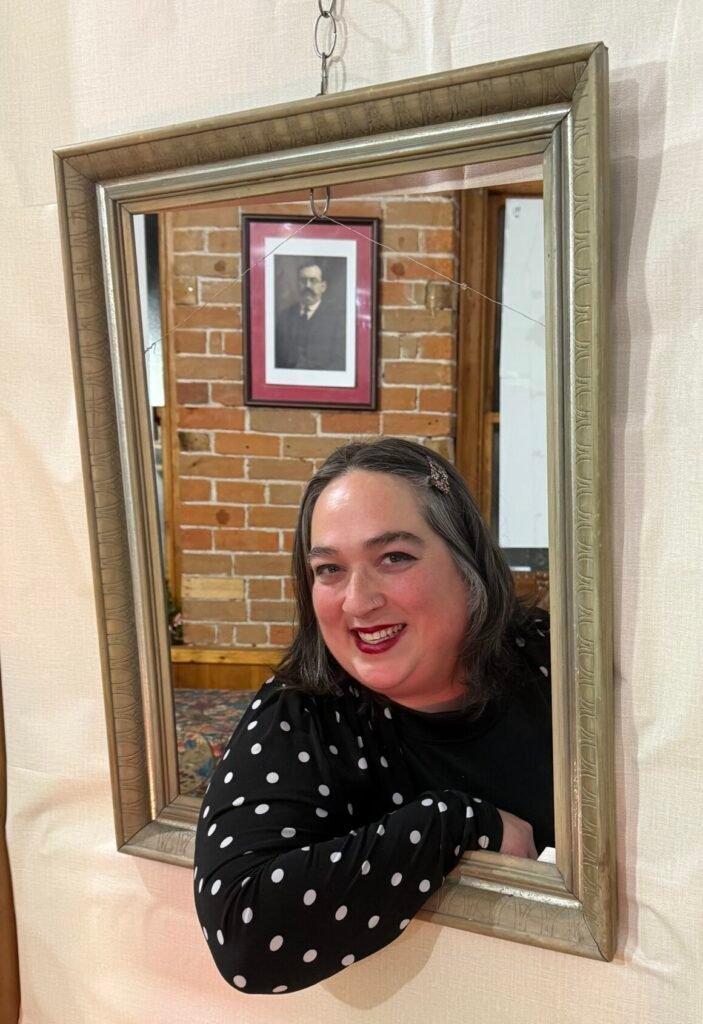
Treasurer | IDEA committee chair

Board administrator | Membership Co-chair
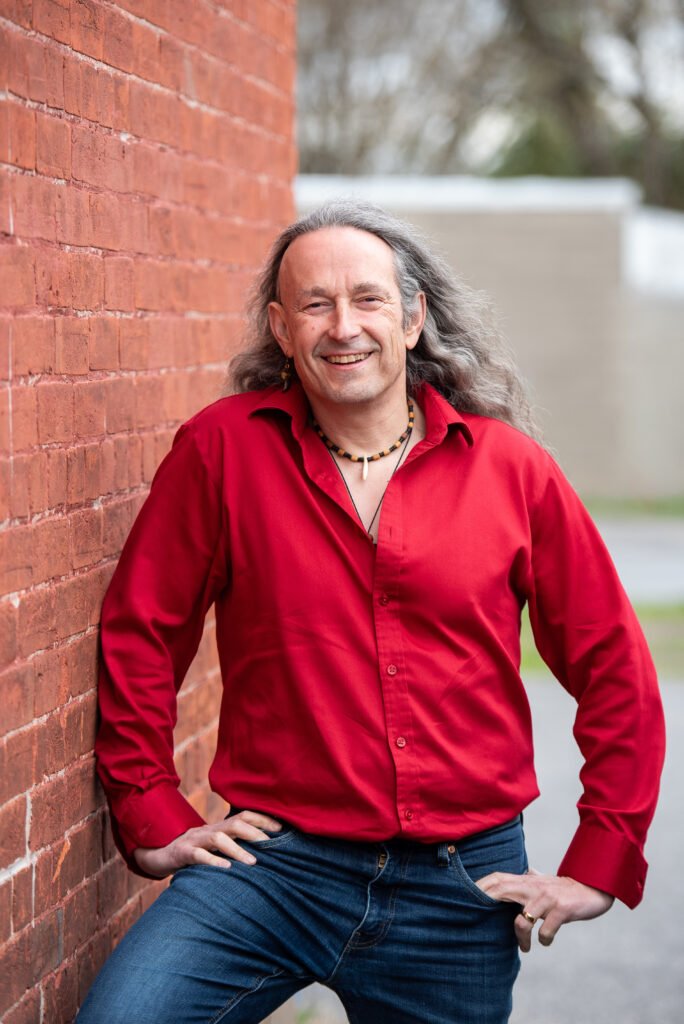
Fundraising Chair

Membership Co-chair

social media and marketing chair

Director at large

In order to participate in our annual general meeting you must be a member in good standing. Please purchase your membership here. Please note that if cost is a barrier we can accomodate you, please let us know if there is such a need. Unless otherwise indicated your membership will automatically renew annually.